Title: Mule
Status: in development
Length: 90 minutes
Director: Maria Cristhin Kuiper
Producer: Abigail Prade
Associate Producer: Georgia Dey
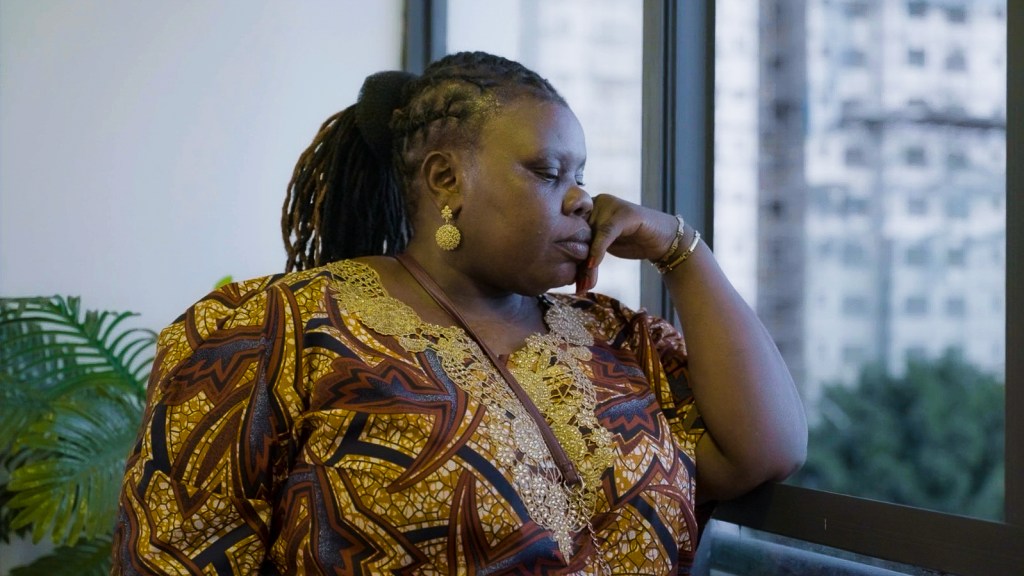
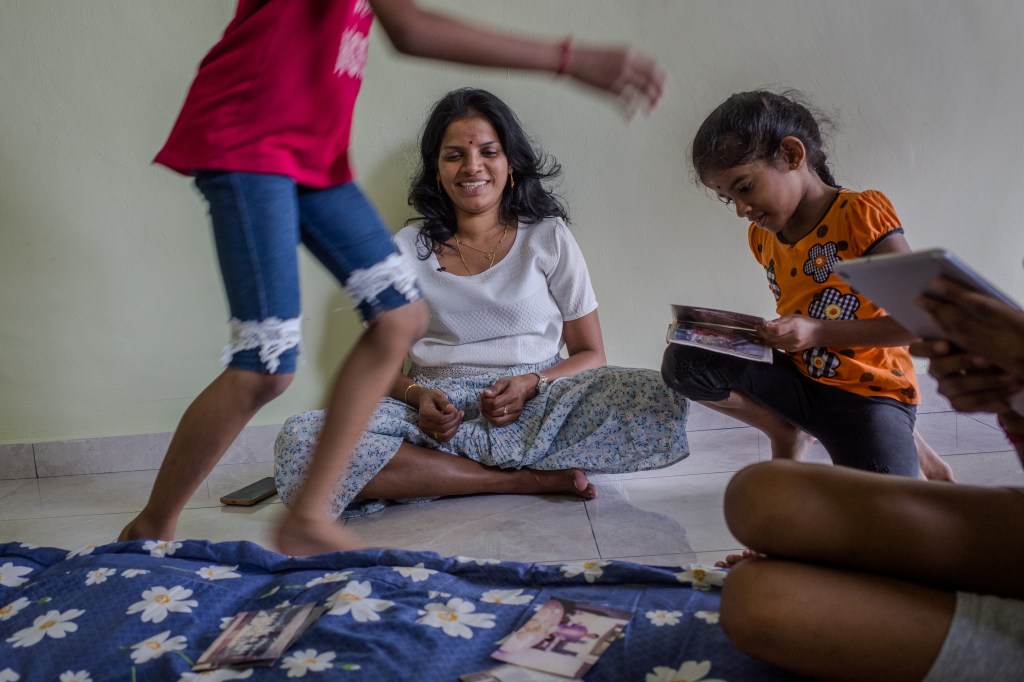
Mule follows the stories of mothers who were jailed in Asia for drug smuggling. After having been separated from their children for years, they are rebuilding their lives and giving meaning to their experiences in prison through activism, while facing hardship and judgement from their communities.
Director’s note:
In 2021, I visited a women’s prison in Hong Kong for the first time. I was nervous. But when I met Caterina, a warm and friendly woman from Venezuela, my nerves quickly faded. Like me, she loves animals. After a few visits, she shared her story: what began as a promising job interview ended in kidnapping, rape, and threats to her family. Forced to carry drugs, she was arrested while pregnant and gave birth in prison.
Her story haunted me. How many other women had faced similar fates?
I found out Hong Kong prison is full of foreign women convicted of drug trafficking, the majority of them single mothers. When they are imprisoned, their children are often left to fend for themselves. Having been raised by a single mother myself, I couldn’t stop thinking about what would have happened if the one person I relied on suddenly disappeared.
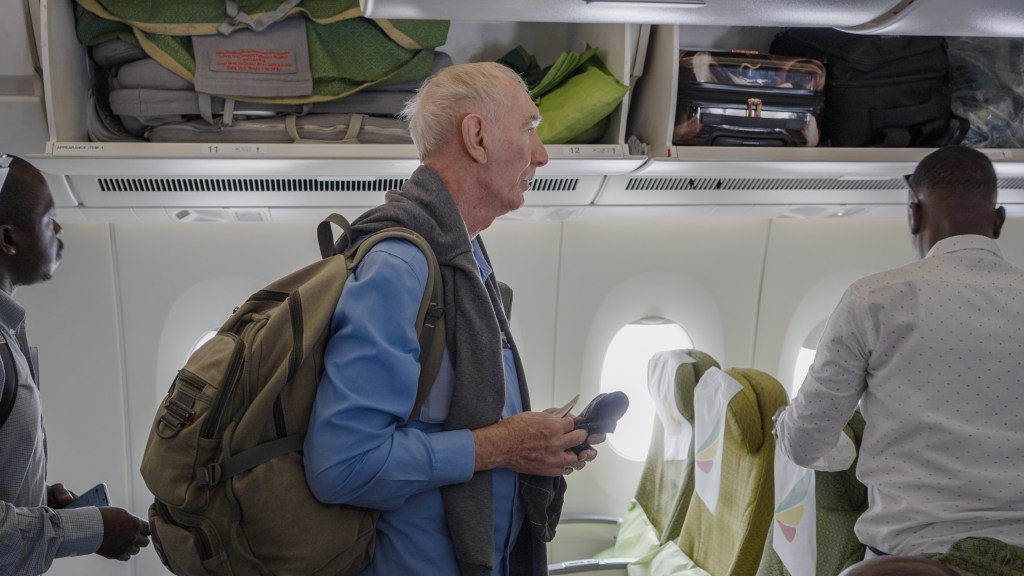
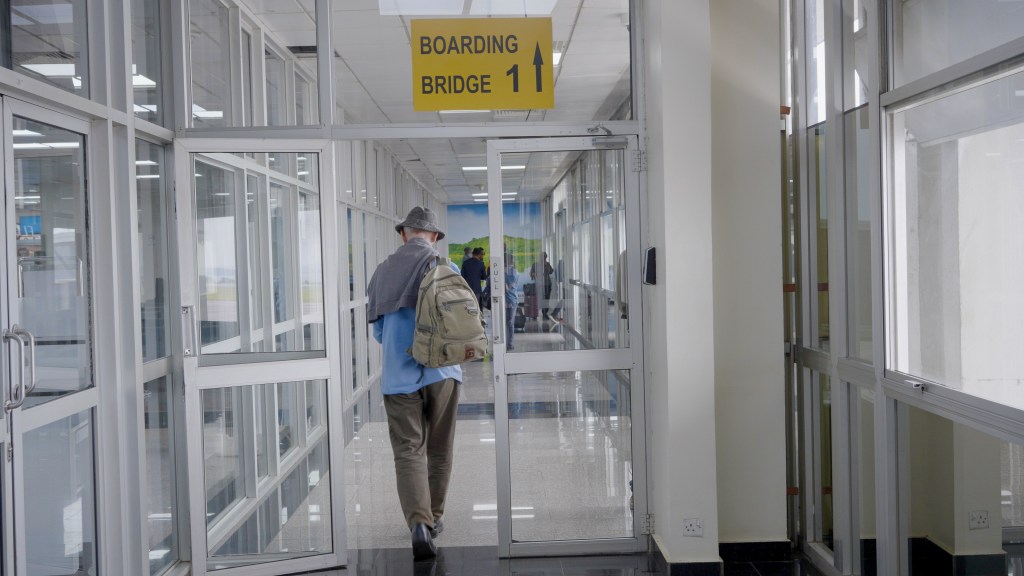
While reporting on the issue for AFP, I met Father John Wotherspoon, a 78-year-old prison chaplain who has supported drug mules for over three decades. When he planned a trip across the world to meet ex-prisoners and their families, I decided to join him. It became the start of Mule.
On those trips, I met dozens of women who had been imprisoned for drug trafficking. In Malaysia, Sodhi, a single mother of four, told me she had ignored a gut feeling about a bag that turned out to contain drugs. The men who recruited her had helped her find work, and she felt she owed them. Her story struck me. So many women are taught to be polite, to put others first, and to ignore their instincts – sometimes with devastating consequences.
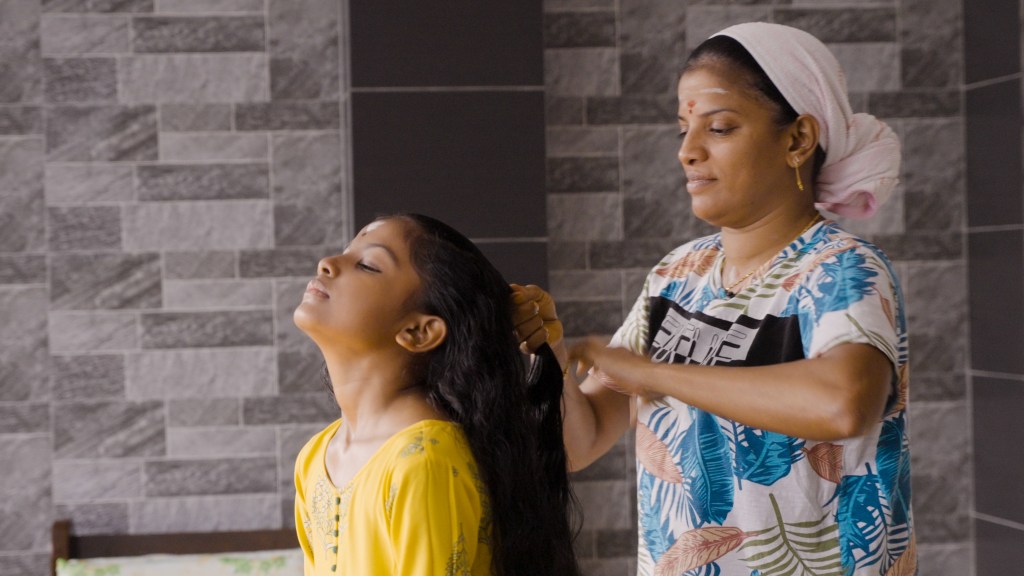
With Mule, I want viewers to get close to the women through intimate, observational scenes. They are more than what happened to them or the labels attached to their pasts. They are people with ideas, humor, compassion, and strength. That’s why I find it important to show scenes from their everyday lives with their families and moments that reveal their personalities beyond their stories of trauma.
I want Mule to not only inform but also move people. I build genuine relationships and trust with my protagonists, aiming to tell their stories with care, complexity, and truth. Through this approach, I hope to create a sense of intimacy that audiences can feel. I also want the film to serve as a tool in schools and communities to raise awareness, encourage dialogue, and contribute to meaningful change.
For more information visit the documentary’s website: muledocumentary.com

 Maria Cristhin Kuiper Villavicencio